Understanding Model Engines: A Deep Dive into The Facinating World

Model engines, those miniature marvels that power everything from model airplanes to tiny race cars, have fascinated hobbyists and engineers alike for decades. Whether you’re a seasoned model enthusiast or just beginning to explore this intriguing hobby, understanding the different types of model engines and their applications can greatly enhance your appreciation and skills. In this comprehensive guide, we’ll explore the basics of model engines, their diverse types, how they work, and tips for choosing and maintaining your own.

What are Model Engines?

Model engines are scaled-down versions of real engines designed to power model vehicles and machines. These engines are not just toys; they are highly sophisticated replicas that mimic the functionality of their full-sized counterparts. They can be powered by a variety of means including electricity, gasoline, or even steam, and are used in a range of hobbies from model railroading to radio-controlled (RC) cars and aircraft.

Types of Model Engines

Model engines come in various types, each with its own unique characteristics and uses. Here’s a closer look at the most popular kinds:

1. Electric Motors

  • Applications: Primarily used in RC cars, boats, and airplanes.
  • Advantages: Electric motors are noiseless, economical, and relatively easy to maintain.
  • Power Source: Typically powered by rechargeable batteries.

2. Internal Combustion Engines

  • Applications: Common in more powerful model airplanes, helicopters, and cars.
  • Types.
    • Glow Plug Engines: These are small internal combustion engines where ignition is accomplished by a glow plug.
    • Gasoline Engines: Larger and more powerful, these require a mixture of gasoline and oil to run.
    • Advantages: Known for their power and the realistic experience they offer in terms of operation and maintenance.

3. Steam Engines

  • Applications: Often found in model boats and stationary engines that mimic old-fashioned machinery.
  • Advantages: Steam engines are valued for their nostalgic appeal and complexity.
  • Power Source: Heated by burning fuel like coal, wood, or oil.

4. Jet Engines

  • Applications: Used in high-end model airplanes and jets.
  • Advantages: Provides significant power and speed, creating a thrilling flying experience.
  • Types:
    • Turbojet Engines: Generates thrust by expelling fast-moving jets of gas.
    • Turboprop Engines: Combines both jet thrust and propeller drive for enhanced efficiency at lower speeds.

How Model Engines Work

Understanding the mechanics of how model engines work is crucial for anyone involved in this hobby. The basic principle involves converting fuel into mechanical energy, which then powers the model’s movement. For electric models, batteries provide electrical energy to motors which convert it to mechanical motion. Internal combustion and jet engines operate on the same basic principles as their real-world counterparts, burning fuel to create power.

Choosing the Right Model Engine

Selecting the right model engine depends on several factors including the type of model, desired performance, and personal preference for maintenance and sound. Here are some tips to guide your choice:

  • Consider the Model Type: Different vehicles perform best with certain types of engines. For example, electric engines are best for beginners and indoor models, while fuel-based engines are suited for outdoor use and larger models.
  • Power Needs: Higher power engines typically offer better performance but may require more maintenance.
  • Maintenance Willingness: Electric motors need less maintenance compared to gas engines which require regular cleaning and fuel management.

See modelenginefans.com for tips.

Maintenance Tips for Model Engines

Proper maintenance is key to ensuring your model engine runs smoothly and lasts. Here are some essential tips:

  • Regular Cleaning: Remove dirt, oil, and debris to prevent buildup that can hinder performance.
  • Proper Lubrication: Keep moving parts well lubricated to reduce friction and wear.
  • Check Fuel and Batteries: Ensure fuel is fresh and batteries are charged for optimal performance.

Conclusion

Model engines are a captivating aspect of model building and operation, offering a rich and engaging experience for hobbyists of all levels. Whether you’re powering a miniature boat, car, or plane, understanding and choosing the right engine can make a significant difference in your model’s performance and enjoyment. With the right knowledge and care, you can master the art of model engine management and enjoy this rewarding hobby for many years to come.
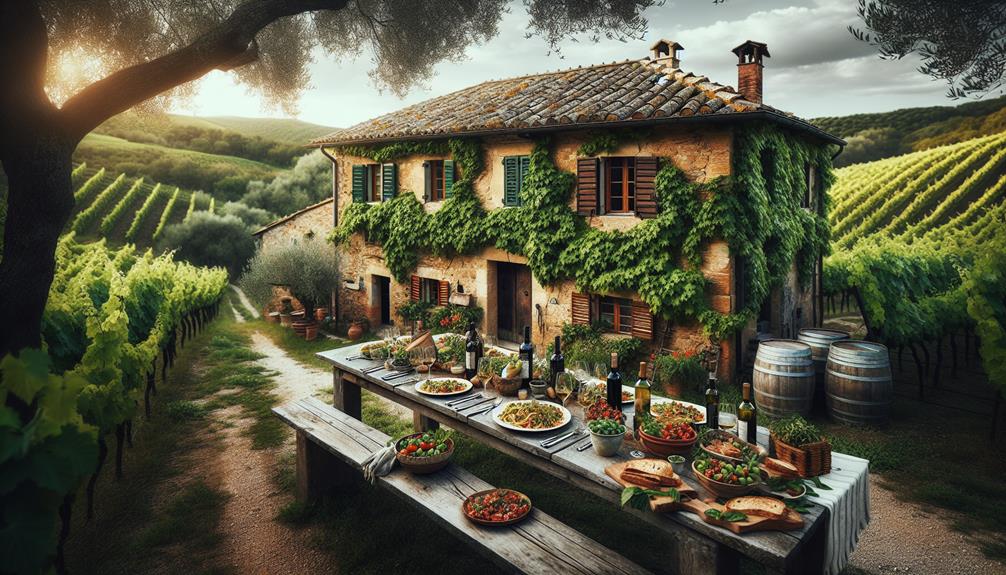
Vegan and Vegetarian Guide to Tuscany

Explore the vegan and vegetarian delights in Tuscany. Indulge in vegan lasagna at ‘Green Leaf Bistro’ in Florence or savor ribollita soup at ‘Vegano Osteria’ in Siena. Tuscany’s eateries offer a fusion of local ingredients and global plant-based recipes. Immerse yourself in traditional Tuscan dishes like ribollita, pappa al pomodoro, and pici cacio e pepe. Head to local markets for fresh produce and artisanal cheeses. Tuscan cuisine’s simplicity shines with Quality vegan options. Embrace the flavors of Tuscany through vegetable-based dishes and Sweet Cantucci biscuits. Tuscany is a paradise for vegan and vegetarian food explorers!

Vegan-Friendly Restaurants in Tuscany

When exploring Tuscany, you’ll discover a plethora of vegan-Friendly restaurants serving up delectable plant-based dishes that showcase the region’s rich culinary heritage. From quaint cafes tucked away in cobblestone alleyways to elegant eateries overlooking rolling vineyards, Tuscany offers a diverse array of dining options for vegans.

One standout Restaurant is ‘Green Leaf Bistro, ‘ located in the heart of Florence. Here, you can savor mouthwatering vegan lasagna made with locally sourced ingredients and drizzled with Tuscan olive oil. The cozy ambiance and attentive service make it a must-visit for plant-based food enthusiasts.

For a taste of traditional Tuscan flavors with a vegan twist, head to ‘Vegano Osteria’ in Siena. Indulge in their hearty ribollita soup, a rustic stew brimming with cannellini beans, kale, and crusty bread. The chefs at Vegano Osteria masterfully blend classic recipes with innovative plant-based ingredients, creating a dining experience that celebrates both tradition and innovation.

Traditional Tuscan Vegan Dishes

Explore the essence of Tuscan culinary tradition through a vibrant array of vegan dishes that capture the region’s rustic charm and robust flavors.

Tuscan cuisine, known for its simplicity and quality ingredients, offers a variety of plant-based options that showcase the region’s rich culinary heritage. One traditional dish to try is Ribollita, a hearty soup made with bread, vegetables, beans, and Tuscan kale, all simmered together to create a comforting and flavorful meal.

Another must-try is Pappa al Pomodoro, a thick tomato and bread soup seasoned with garlic, basil, and olive oil, highlighting the fresh flavors of Tuscany. For a taste of traditional Tuscan pasta, sample Pici Cacio e Pepe, a simple yet delicious dish made with hand-rolled pasta, pecorino cheese, and black pepper.

Finish off your meal with Cantucci, almond biscotti perfect for dipping into a glass of Vin Santo, a sweet dessert wine typical of the region. Immerse yourself in Tuscan vegan cuisine and savor the authentic flavors of this renowned Italian region.

Tips for Vegetarian Travelers in Tuscany

For vegetarian travelers in Tuscany, exploring the culinary landscape can be a delightful adventure filled with a plethora of meat-free dining options that showcase the region’s rich gastronomic heritage.

When dining out, look for ‘vegetariano’ or ‘piatto unico’ on menus for vegetarian options. Many Tuscan restaurants offer vegetable-based dishes like ribollita (a hearty vegetable soup), panzanella (bread salad with tomatoes and onions), and pici cacio e pepe (thick pasta with cheese and pepper). Inquire if dishes can be prepared without meat or fish, as chefs are often willing to accommodate dietary preferences.

Visit local markets to find fresh fruits, vegetables, and artisanal cheeses to create your own picnics or meals. Tuscan cuisine emphasizes high-quality produce, making it easier for vegetarians to enjoy flavorful meals. Don’t forget to try the region’s renowned olive oils, balsamic vinegars, and wines, which complement vegetarian dishes perfectly.

With a bit of curiosity and openness, vegetarian travelers can savor the best of Tuscany’s food scene.

Embracing Plant-Based Delights in Tuscany

Explore the lush landscapes of Tuscany through its vibrant vegan and vegetarian culinary scene, where traditional Italian flavors meet fresh, plant-based ingredients. Discover charming eateries and local markets offering deliciously crafted dishes that cater to all palates. For those seeking a serene and luxurious stay amidst these gastronomic adventures, consider booking one of the luxury villas tuscany, where comfort and cuisine come together in harmony.