Why Commercial Paving in Houston Requires More Than Basic Asphalt Work

Commercial properties in Houston face unique pavement challenges. From extreme heat and heavy rainfall to high traffic volume, commercial asphalt surfaces endure constant pressure. For property managers and developers, commercial paving Houston projects require strategic planning rather than simple surface installation.

Commercial paving extends far beyond laying asphalt. It involves proper site preparation, drainage engineering, structural grading, compaction, and long-term maintenance planning. Businesses seeking professional commercial paving Houston services can review full commercial capabilities at asphalt paving services for businesses.

Houston’s expanding commercial landscape includes retail centers, office parks, industrial facilities, healthcare campuses, and mixed-use developments. Each property type presents distinct paving requirements. Retail centers prioritize smooth traffic flow and aesthetic curb appeal. Industrial properties demand structural strength capable of supporting heavy truck traffic. Understanding these distinctions is critical.

Proper base preparation is foundational to commercial asphalt performance. Without correct grading and compaction, surface cracking and premature failure often occur. Houston’s clay-heavy soils require experienced evaluation to prevent shifting and subsurface instability.

Drainage planning is equally important. Commercial lots must accommodate intense rainfall events without pooling water. Standing water accelerates asphalt deterioration and increases liability risks. Professional commercial paving contractors incorporate slope design and drainage systems during initial construction phases.

Traffic load analysis influences material selection. Commercial asphalt paving must account for projected vehicle volume, delivery trucks, and service vehicles. Industrial facilities often require reinforced base layers to withstand repetitive heavy loads.

Maintenance planning is a long-term consideration. Sealcoating, crack filling, and resurfacing extend pavement lifespan when implemented proactively. Commercial asphalt repair in Houston should be approached strategically rather than reactively. Businesses exploring structured maintenance programs can review service solutions at commercial paving Houston.

Curb appeal remains important even for industrial properties. Well-maintained pavement reflects operational professionalism and improves safety. Clearly marked striping, ADA-compliant layouts, and organized parking enhance functionality and compliance.

Parking lot paving is one of the most visible components of a commercial property. Poorly constructed lots create negative first impressions and increase maintenance costs. Commercial paving Houston contractors must integrate both structural integrity and visual presentation.

As Houston continues to grow, redevelopment projects often involve resurfacing aging commercial lots. Milling and overlay solutions restore surface quality while preserving underlying structure. Selecting appropriate resurfacing methods requires professional assessment.

Industrial facilities require particularly durable asphalt systems. Distribution centers and logistics hubs generate continuous heavy truck traffic. Without reinforced pavement systems, rutting and structural failure may occur.

Environmental factors also influence paving decisions. Heat expansion, UV exposure, and moisture infiltration all impact asphalt longevity. Experienced Houston asphalt contractors evaluate these variables when specifying materials and construction methods.

Safety compliance is another key component. Proper striping, fire lane markings, and ADA accessibility requirements must be incorporated into project design. Professional commercial paving Houston services ensure regulatory standards are met.

Long-term cost efficiency depends on initial quality. Cutting corners during installation often results in higher repair expenses later. Strategic commercial paving prioritizes durability over short-term savings.

Property managers overseeing multiple locations benefit from consistent paving standards. Partnering with experienced contractors provides predictable maintenance scheduling and budget planning.

Houston’s economic growth continues to drive demand for commercial asphalt paving services. Retail expansion, healthcare development, and industrial investment all contribute to increased paving activity.

Commercial resurfacing solutions offer an alternative to full replacement when structural integrity remains intact. Milling and overlay techniques restore surface quality while extending life expectancy.

Asphalt repair is most effective when addressed early. Small cracks can evolve into structural damage if ignored. Preventative maintenance preserves investment and minimizes operational disruption.

Industrial properties often require phased paving schedules to avoid downtime. Coordinated project planning ensures business continuity during construction.

Developers constructing new commercial centers must integrate paving into overall site planning. Proper sequencing prevents delays and protects completed work.

Businesses evaluating commercial paving Houston contractors should prioritize experience, equipment capability, and material expertise. Comprehensive service providers reduce coordination complexity.

Houston’s climate demands specialized paving expertise. High heat accelerates oxidation, while moisture infiltration can undermine base layers. Professional contractors account for these environmental stressors.

Structured maintenance programs provide predictable lifecycle management. Sealcoating intervals, crack sealing schedules, and resurfacing timelines extend pavement durability.

Retail centers depend on smooth vehicle flow and organized parking layouts. Professional striping and traffic design enhance customer experience.

Industrial complexes benefit from heavy-duty asphalt specifications. Load-bearing capacity must be calculated precisely to avoid premature deterioration.

Businesses seeking dependable commercial paving Houston solutions can explore structured service offerings at Houston commercial paving contractors.

The reputation of a commercial property is often reflected in its exterior condition. Well-maintained pavement contributes to positive perception and operational efficiency.

Investment in professional commercial asphalt paving protects long-term asset value. Strategic planning reduces unplanned repair costs and operational disruptions.

Ultimately, commercial paving Houston projects demand technical precision, environmental awareness, and proactive maintenance planning. Partnering with experienced contractors ensures that asphalt surfaces perform reliably under Houston’s demanding conditions.

Property managers, developers, and industrial operators benefit from structured paving strategies rather than reactive repairs. Businesses seeking comprehensive commercial paving services in Houston can review detailed capabilities at.

Durable asphalt systems are not accidental. They result from engineered preparation, quality materials, and disciplined execution. Commercial paving Houston requires more than surface work. It requires planning designed for long-term performance.
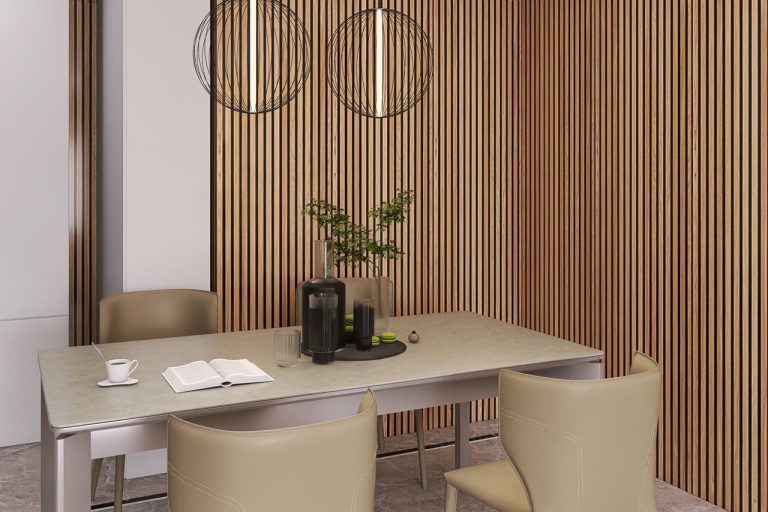
The Ultimate Guide to Caring for Interior Wood Wall Panels

The Ultimate Guide to Caring for Interior Wood Wall Panels

Why Interior Wood Wall Panels Deserve Special Attention

Wood wall panels for the interior add unparalleled depth, warmth, and charm to any area. Few materials may improve your interiors as much as these panels, whether you’re remodeling a trendy loft or a comfortable rural getaway. But you need the proper maintenance plan—one that respects their personality and increases their durability—to keep them looking their best.

Interior Wall Panels

helps highlight the craftsmanship behind interior wood wall panels, adding lasting value to your living space.

Smart Maintenance for Long-Lasting Beauty

Gentle Cleaning Practices for Daily Care

To maintain the unique grain and texture of interior wood wall panels, gently clean them. For a truly elevated aesthetic,

Wood Panel Wall

introduces design harmony that complements both classic and modern interiors.

  • Use a microfiber cloth or soft feather duster weekly
  • Spot clean with a damp cloth and wood-safe cleaner
  • Always wipe along the grain of the wood
  • Avoid soaking the panels or using chemical sprays

Controlling Humidity to Prevent Warping

Because wood reacts to moisture, it’s important to keep indoor humidity levels high.

Wood Panels

ensures your interior wood wall panels remain a focal point with their rich tone and elegant finish.

  • Keep humidity between 40% and 60%
  • Use humidifiers or dehumidifiers when necessary
  • Ensure adequate airflow through windows or ventilation systems

Protecting Panels from Sunlight Damage

Interior wood wall panels may discolor or fade in direct sunlight.

  • Install sheer curtains or UV-blocking blinds
  • Apply protective window film
  • Rotate furniture and wall decor to avoid uneven fading

Occasional Polishing for Natural Luster

Use light polishing to give your panels a glowing appearance.

  • Use beeswax or natural oil-based polish
  • Avoid silicone-based or overly shiny finishes
  • Polish no more than three times a year

Specialized Care Based on Panel Types

Every interior wood wall panel type requires a different level of maintenance. Here’s how to treat them right:

Care Tips by Panel Type

  • Solid Wood: Regular dusting and occasional oiling maintain its rich texture
  • Veneer Panels: Gentle wiping with soft cloths, no heavy moisture
  • Reclaimed Wood: Use a soft brush and light oil; avoid scrubbing
  • Painted Wood: Dust lightly and clean with mild soap; skip polish
  • Laminate Panels: Just wipe clean—no need to polish

Quick Fixes for Everyday Problems

Even with the finest care, little problems might arise. Digital marketing strategies help Interior Wall Panels stand out in a competitive home improvement market. Here’s how to handle them quickly:

Easy Repairs for a Flawless Finish

  • Small Scratches: Conceal using a matching wood touch-up pen
  • Surface Dents: Steam them out with a damp cloth and iron
  • Water Spots: Rub gently with baking soda paste or a non-abrasive cleaner

Interior Wood Wall Panels: Do’s and Don’ts

Follow these basic guidelines to avoid common mistakes:

Do:

  • Use coasters, mats, or runners to prevent splash damage
  • Test any cleaner on an inconspicuous area first
  • Wipe up spills immediately

Don’t:

  • Use abrasive cleaning tools like steel wool
  • Allow direct heat from appliances near the panels
  • Leave windows open during rain or heavy humidity

Eco-Friendly Maintenance Solutions

Do you want to maintain the beauty of your panels without using harsh chemicals? Try these natural substitutes:

Natural Cleaning Recipes

  • Lemon + Olive Oil: Great for polishing and nourishing the wood
  • White Vinegar + Water: Effective for cleaning grime (use sparingly)
  • Baking Soda Paste: Useful for removing stubborn marks without scratching

Styling Tips to Complement Your Panels

Interior wood wall panels are a focal point of the design rather than just a background.

Enhance Their Visual Appeal

  • Combine with minimalist furniture to let the wood shine
  • Use warm lighting to bring out natural hues
  • Pair with plants to amplify organic vibes
  • Install in accent walls, ceilings, or entryways for maximum impact

Frequently Asked Questions (FAQ)

How often should I clean my interior wood wall panels?

Weekly dusting and monthly light cleaning are usually sufficient for maintaining interior wood wall panels.

Can I use vinegar to clean interior wood wall panels?

Yes, but always dilute it with water and test on a small section first.

What’s the best way to restore shine to dull panels?

Use natural polish like beeswax or lemon oil every few months.

Is there a risk of termites with wood wall panels?

Yes, particularly in humid conditions. Keep the space dry and do routine inspections to avoid infestations.

Are interior wood wall panels eco-friendly?

Yes, especially when made from reclaimed or sustainably sourced wood. Their longevity also reduces waste over time.

Transform Your Space: Creative Home Improvement Tips That Work

Transform Your Space: Creative Home Improvement Tips That Work

It is both an art and a science to design a house that strikes a balance between comfort, personality, and functionality. Whether you’re remodeling a single room or taking on a more extensive job, the correct home improvement advice may help you make the right choices and produce stunning, useful, and long-lasting results. This book explains how to create a character-filled, well-designed refuge in your home. For better airflow and brightness, consider upgrading your windows to maximize

Interior Wall Panels

. Design That Speaks to You: Merging Beauty with Function

A well-designed house complements your lifestyle in addition to being aesthetically pleasing. If you take the proper approach, you can make any area work harder for your requirements while still feeling cozy and welcoming.

Timeless Foundations That Evolve

Traditional design components aid in building a foundation that changes with the times. Simple lines, well-made furniture, and neutral hues offer adaptability and classic charm. Small updates like switching to

Wood Panel Wall

can make a huge difference in your home’s efficiency.

Let the Light In

Make the most of natural light by using translucent curtains, mirrors, and huge windows. In addition to opening up smaller spaces and improving mood, natural lighting also lessens the need for artificial lighting during the day.

Accessorize for Personality

Use accessories to add your personal touch to every area. Consider art that speaks to you, comfortable wraps, antique novels, and handcrafted pottery. When planning your next remodel, don’t overlook the importance of thoughtful

Wood Panels

.

Garden Goals: Create an Outdoor Escape That Blooms Year-Round

Backyards aren’t the only places for gardens. Even little outdoor areas may be transformed into a haven with a little preparation.

Grow with Purpose

Select plants that are both suited to your preferred amount of upkeep and that flourish in your local environment. Native plants are a wise choice since they require minimal maintenance and are sustainable.

Earth-Friendly Gardening Practices

Use sustainable practices that benefit both the environment and your pocketbook:

  • Compost kitchen waste for rich soil
  • Collect rainwater for irrigation
  • Use natural pest repellents
  • Choose drought-tolerant plant species

Design Outdoor Living Zones

Make areas for dining, entertaining, and relaxing. To give each area a distinct function and personality, use outdoor rugs, seats, plants, and lights.

Smart Improvements: Projects That Make Your Home Work for You

Make areas for dining, entertaining, and relaxing. To give each area a distinct function and personality, use outdoor rugs, seats, plants, and lights.

Focus on Efficiency

Energy-efficient upgrades benefit both the environment and your pocketbook. Modern appliances, LED lighting, and smart thermostats are examples of upgrades that may save utility costs and raise the value of a property.

Kitchen and Bath Upgrades

You don’t need a complete overhaul to make a difference. Consider:

  • Swapping old faucets for water-saving fixtures
  • Installing under-cabinet lighting
  • Replacing cabinet hardware for a fresh look

Stay Ahead with Maintenance

Regular maintenance will maintain your house in excellent condition. Costly repairs can be avoided with routine maintenance including cleaning gutters, caulking windows, and inspecting HVAC filters.

Easy Wins: Low-Cost, High-Impact Updates

There are many innovative home renovation ideas you may attempt without going over your budget if you have a tight budget. Digital marketing has revolutionized how we promote interior products like Wall Panels to niche audiences online.

Weekend Projects to Try

  • Add a peel-and-stick backsplash in your kitchen
  • Refresh walls with a bold accent color
  • Reorganize a closet using affordable bins and labels
  • Install floating shelves for storage and display

Decor Details That Elevate

The strongest effects are frequently seen in little adjustments. To change a room in a matter of minutes, replace the lamp shades, hang fresh curtains, or throw down a colorful area rug.

Design Principles to Guide You

Think of these design principles as your toolkit for smart home improvements:

Balance: Distribute visual weight across a space.

Rhythm: Use repetition and contrast to create movement.

Emphasis: Highlight focal points with lighting, color, or placement.

Harmony: Choose elements that complement each other in tone and style.

Scale and Proportion: Ensure furniture and decor are appropriately sized for the room.

FAQ: Your Home Improvement Tips Questions Answered

What are the best home improvement tips for beginners?

To gain confidence without going overboard with your timeline or money, start with small improvements like painting walls, changing the lighting, or moving furniture around.

How can I increase my home’s value with minimal investment?

Prioritize observable, practical enhancements: energy-efficient improvements, kitchen and bathroom renovations, and curb attractiveness may all yield outstanding returns on investment.

Do home improvement tips really work for small spaces?

Of course! Strategic lighting, multipurpose furniture, and clever storage may significantly improve the appearance and feel of a space in compact houses.

What should I prioritize in a home improvement project?

Before beginning cosmetic improvements, start with tasks that increase efficiency and safety, such as repairing old wiring, patching leaks, or upgrading insulation.

How often should I update or maintain different parts of the home?

Regular maintenance schedules help avoid costly repairs. For example:

  • HVAC: every 3 months
  • Roof: inspect annually
  • Plumbing: check for leaks monthly